
We independently test and review fitness products using a research-based approach. If you buy through our links, we may earn a small commission at no extra cost to you. Read our Disclosure
When you’re committed to weightlifting and strength training, your tracker needs to do more than count steps—it must provide actionable data on effort and recovery. Standard fitness trackers often fail at high-intensity resistance training, missing crucial elements like reliable automatic rep counting, accurate Heart Rate Variability (HRV) for recovery insight, and the sheer durability required in the weight room.
We’ve curated the top 8 devices that are proven to deliver the precision and ruggedness necessary to optimize your progressive overload and maximize gains. These are truly the best fitness trackers for weightlifting.
1: Garmin Fenix 7 Pro – Best Overall for Serious Lifters
Why it works: The Fenix 7 Pro is the undisputed champion for serious lifters due to its Weightlifting Activity Profile. This dedicated feature automatically counts your reps and provides detailed Training Load feedback based on the intensity of your session. It excels at parsing the specific demands of strength training and ensures you have the recovery metrics needed to manage your central nervous system (CNS) fatigue.

Best for advanced lifters who need automatic rep counting and deep Training Load recovery data.
2: WHOOP 5.0 Activity Tracker – Best for Recovery (HRV) and Comfort Under the Bar
Why it works: WHOOP is designed specifically around the principle of Recovery-Driven Training. The 5.0 device monitors critical metrics like heart rate variability (HRV), sleep, and VO2 max with lab-level accuracy, providing 24/7 insights. The WHOOP Coach uses this personalized data to give AI-powered recommendations on daily sleep, strain, and recovery—essential for maximizing strength gains. Its screen-less design and optional bicep placement minimize interference with wrist wraps and grips during heavy lifting. It now boasts 14+ days of battery life with the corded Basic Charger.

Best for optimizing recovery and sleep to maximize gains, featuring 14+ days of battery and personalized AI coaching.
3: Apple Watch Ultra 2 – Best Premium Smartwatch for Gym Apps
Why it works: For the lifter heavily invested in the Apple ecosystem, the Ultra 2 provides exceptional durability thanks to its rugged titanium case. Its biggest strength for strength training is its access to the largest library of advanced third-party workout apps (like Strong and Hevy), allowing for highly customized set/rep tracking and logging, a key differentiator from simpler devices.

Best for iPhone users who want a massive app ecosystem, rugged build, and bright display.
4: Polar Vantage M3 – Best for Heart Rate Accuracy and AMOLED Display
Why it works: Polar is synonymous with heart rate accuracy and deep training insights. The Vantage M3 features a highly visible AMOLED display and retains the comprehensive Training Load Pro and Recovery Pro features, translating effort and rest into practical advice. With up to 7 days of battery life in smartwatch mode, it provides long-lasting, consistent monitoring of overnight recovery metrics like Nightly Recharge and SleepWise, which are crucial for perfectly balancing your strength training strain with adequate rest.

Best for professional-grade training guidance, HR zone accuracy, and clear recovery insights with a vibrant AMOLED screen.
5: Coros Apex 2 Pro – Best Battery Life and Durability for Consistent Tracking
Why it works: The Apex 2 Pro is ideal for lifters who hate charging. Its superb 30-day battery life in regular use ensures consistent, uninterrupted data logging, which is vital for long-term progress tracking. It is built with a rugged Sapphire Titanium bezel and includes a dedicated Strength mode for tracking sets and reps, eliminating charging friction from your routine.

Best for lifters who prioritize the combination of 30-day battery life and rugged, premium durability.
6: Fitbit Charge 6 – Best Budget-Friendly Wrist Tracker
Why it works: The Charge 6 offers an affordable and slim entry point for tracking weightlifting metrics. It provides reliable 24/7 heart rate monitoring and simple activity tracking without the bulk of a full smartwatch. Its compact size is less likely to interfere with wrist guards or a heavy grip compared to large watches.

Best for budget-conscious lifters needing reliable basic heart rate tracking and a slim profile.
7: Xiaomi Smart Band 9 Active – Best Minimalist & Budget Option
Why it works: The Xiaomi Smart Band 9 Active is the ultimate value option for the minimalist lifter. It’s exceptionally light (16.5g), features a bright 1.47-inch display, and provides core data like heart rate and general activity. With an astonishing 18-day long battery life, this low-cost, unobtrusive band eliminates charging worries while providing crucial logging for time under tension and heart rate monitoring.
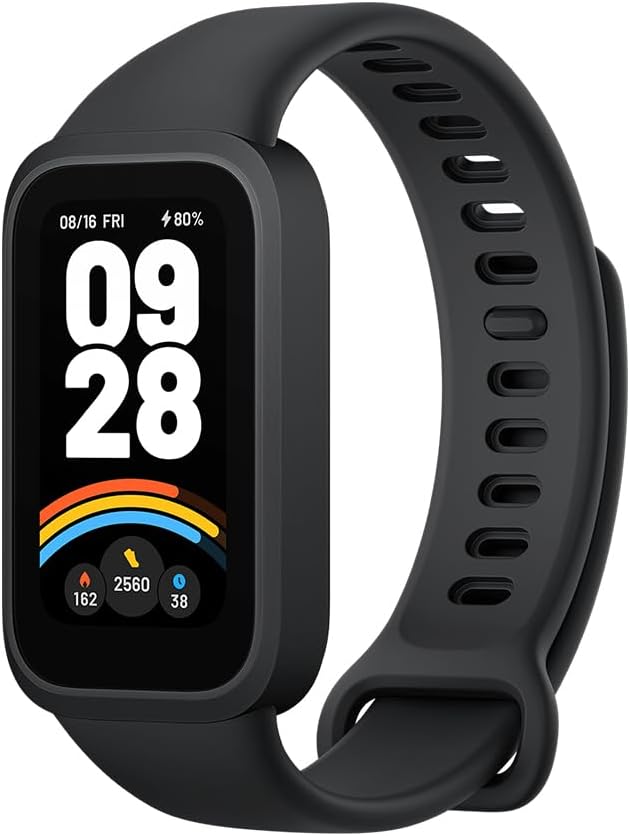
Best for a minimalist feel, offering core strength metrics, a slim profile, and 18-day battery life for under $30.
8: Amazfit T-Rex Ultra – Best for Extreme Durability
Why it works: The T-Rex Ultra is built with military-grade durability, making it virtually indestructible in the weight room. Its rugged design can withstand drops, scrapes, and the general abuse of heavy gym use. It offers advanced training status metrics, making it ideal for athletes who need a device tough enough to handle intense weightlifting and any accidental impact.

Best for extreme durability and athletes who need a device to survive both heavy lifting and outdoor expeditions.
Essential Buying Guide for Strength Athletes
Choosing a tracker specifically for weightlifting differs significantly from choosing one for running. Focus on these three critical factors:
1. Automatic Rep Counting & Exercise Recognition
This is the most time-saving feature. Trackers like the Garmin Fenix 7 Pro automatically detect when you switch from a bench press to a row. Look for systems that allow easy editing on the watch or in the companion app to correct sets/reps quickly, as perfection is rare.
2. Recovery-Focused Metrics (HRV & Sleep)
Gains are made outside the gym. Look for advanced metrics like Heart Rate Variability (HRV) (WHOOP, Garmin, Polar) and detailed sleep stage analysis. These tell you if your central nervous system is ready for another heavy session, preventing injury and optimizing your training plan.
3. Durability and Fit
The weight room is a harsh environment.
- Case: Choose a device with a durable case (e.g., Titanium or rugged polymer) to protect against accidental bar or plate contact.
- Strap Placement: For intense gripping (deadlifts, kettlebells), consider wrist comfort. Devices like the WHOOP 5.0 that can be worn on the bicep are often preferred by powerlifters to keep the wrist clear.