

We independently test and review fitness products using a research-based approach. If you buy through our links, we may earn a small commission at no extra cost to you. Read our Disclosure
You’ve just crushed your workout, and now it’s time for the pivotal part of your fitness journey: post-workout nutrition. Just as your car needs the right fuel to perform optimally, your body requires the right nutrients to recover, rebuild, and get stronger after exercise.
Maximizing your workout gains doesn’t stop once you leave the gym. Each post-exercise bite plays a crucial role in replenishing energy stores, repairing muscle tissue, and preparing you for your next sweat session.
Whether you’re a seasoned athlete or someone who’s just started their fitness adventure, understanding the essentials of post-workout nutrition can elevate your progress and well-being.
Let’s dive into the world of optimal post-exercise fuel, revealing what to eat and when to eat it for enhanced recovery and performance. Here’s to fueling success one meal at a time!
Importance of Post-Workout Nutrition
Your workout doesn’t stop when you leave the gym; what you consume afterward is just as critical. After exercising, your muscles are primed to absorb nutrients, and the right combination can expedite recovery and enhance your results.
Post-workout nutrition helps in several ways: it restores glycogen levels, reduces muscle soreness, facilitates muscle repair, and supports immune function. Neglecting this aspect can diminish the benefits from all your hard work and extend recovery time.
Muscle Repair and Growth
Protein is vital post-workout as it provides amino acids essential for repairing and building muscles. By meeting your protein needs after exercising, you promote muscle synthesis and help prevent muscle breakdown.
Replenishing Energy Stores
Your body uses glycogen during workouts—especially in high-intensity exercises. Replenishing these energy stores with carbohydrates after exercise is vital for sustained energy and effective performance in future workouts.
By prioritizing a strategic post-workout meal or snack, you not only aid in faster recovery but also set the stage for continual improvement, making every workout count.
Key Macronutrients for Recovery
To unlock the full potential of your post-workout recovery, focusing on the right balance of macronutrients is essential. Each plays a unique role in rebuilding and energizing your body, ensuring you bounce back stronger.
Proteins are the cornerstones of muscle repair. Consuming a high-quality protein source post-workout gives your muscles the building blocks they need to recover and grow. Aim for lean options like chicken, fish, or plant-based proteins for effective results.
Carbohydrates are your body’s fuel, replenishing the glycogen stores depleted during your workout. Opt for complex carbs such as whole grains, fruits, or vegetables to replenish energy levels. A balanced intake ensures you have enough stamina for future exercise sessions.
Fats, though they should be consumed in moderation, aid in reducing inflammation and supporting overall recovery. Healthy fats like those found in avocados, nuts, and olive oil contribute to a well-rounded post-workout diet.
By identifying and integrating these key macronutrients into your post-exercise nutrition plan, you foster a holistic approach to recovery, setting the stage for consistent progress.

Timing Your Post-Workout Meal
The timing of your post-workout meal can significantly impact your recovery process and results. Consuming the right mix of macronutrients shortly after exercising ensures that your body receives the nutrients it needs when they can be most effective.
The Golden Window
Many athletes and trainers recommend eating within 30 to 60 minutes post-workout. This period is often called the “anabolic window,” where your muscles are particularly receptive to nutrient uptake, maximizing repair and growth.
While this window is beneficial, it’s not the only opportunity to fuel recovery. Recent studies suggest that maintaining consistent nutrition throughout the day is equally important for supporting overall muscle health and energy levels.
Flexibility and Consistency
For those unable to eat immediately post-workout, consuming a balanced meal within two hours still offers significant recovery benefits. Flexibility in timing ensures you can seamlessly integrate nutrition into your routine without added stress.
By understanding and optimizing the timing of your post-exercise meal, you enhance your recovery process and set yourself up for consistent progress, ensuring that each workout contributes to long-term success.
Hydration and Electrolyte Replenishment
Staying hydrated is a crucial component of effective post-workout recovery. When you exercise, your body loses fluids and electrolytes through sweat, which must be replenished to maintain optimal function.
Importance of Rehydration
Water is vital in regulating body temperature, joint lubrication, and nutrient transportation—all essential for recovery. Drinking adequate fluids post-workout helps restore these levels, preventing dehydration and its associated effects like fatigue and cramps.
Electrolytes, including sodium, potassium, and magnesium, are minerals that help balance fluids in your body. They support nerve functioning and muscle contractions, making them essential for recuperation and continued performance. Sports drinks or coconut water can be good sources of electrolytes.
Balancing Fluid Intake
The amount you need to consume post-exercise varies based on workout intensity and duration, as well as individual sweat rates. Listening to your body’s thirst cues can guide your rehydration process. As a general rule, aim to replace lost fluids gradually over a few hours post-exercise.
By prioritizing hydration and electrolyte balance, you establish a foundation for improved recovery and performance, keeping you prepared for the challenges of future workouts.
Supplements to Enhance Recovery
Navigating the world of supplements can seem daunting, but when chosen wisely, they can complement your nutrition strategy and expedite recovery. While a balanced diet remains foundational, certain supplements may offer additional benefits for those engaged in intense training.
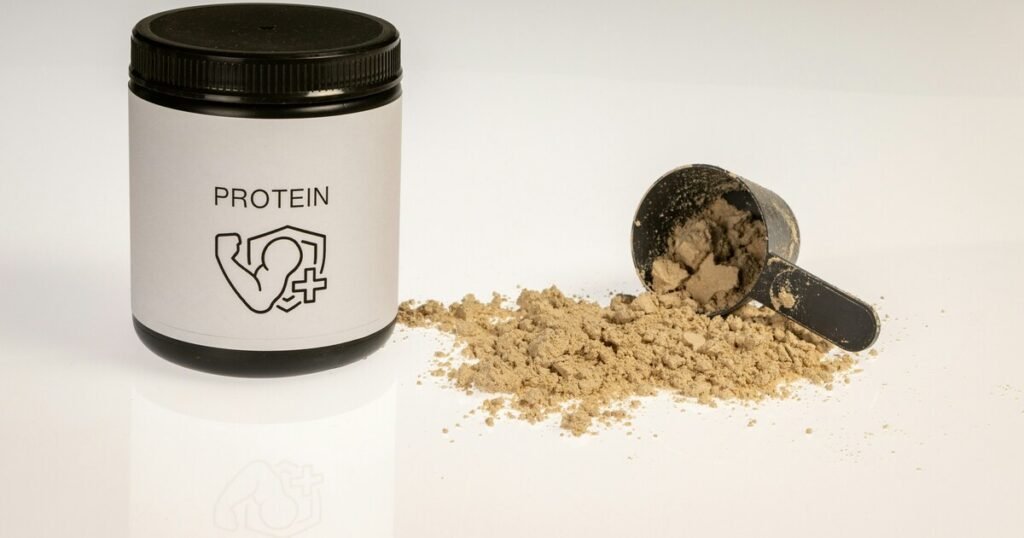
Protein supplements, particularly whey protein, are popular for their convenience and high concentration of essential amino acids. They assist in muscle repair and rebuilding, making them an efficient option for post-workout nutrition.
Branched-Chain Amino Acids (BCAAs) are another choice, often used to reduce muscle soreness and fatigue. They help support muscle synthesis and can be especially useful during periods of intense training.
Creatine is well-researched and known for its ability to improve strength and increase lean muscle mass. It’s beneficial for those engaged in resistance training programs, aiding in quicker recovery and enhanced performance.
Omega-3 fatty acids, found in fish oil supplements, are renowned for their anti-inflammatory properties. They assist in reducing muscle soreness and promoting joint health, supporting overall recovery.
Integrating these supplements, when needed and appropriate, can complement your nutrition plan and physical goals, helping you recover faster and stronger.
The Bottom Line: Maximizing Your Workout Gains
Wrapping up your workout correctly with strategic nutrition and hydration choices can be the game-changer in your fitness journey. While the workout challenges your body, the recovery process is where real progress is made, thanks to proper fueling and rest.
Focusing on key macronutrients—proteins, carbohydrates, and fats—ensures that your body has the resources it needs for muscle repair, energy replenishment, and reducing inflammation. Timing these nutrients to get them into your system when they are most needed optimizes their impact, setting the stage for improved recovery and performance.
But, let’s not forget the importance of staying hydrated. Replenishing fluids and electrolytes is essential to maintaining your body’s balance and function, keeping you feeling energized and ready for your next session. It’s just as crucial as what you eat.
As well as this, supplements can offer a helpful boost when used thoughtfully. They shouldn’t replace a balanced diet but can enhance your nutritional intake, especially when your workout demands are high.
Ultimately, a holistic approach to post-workout nutrition not only speeds up recovery but also maximizes the benefits of each workout. By paying attention to nutrition, hydration, and supplementation, you empower your body to recover effectively and prepare for future challenges. Here’s to making each workout count and building a healthier, stronger you!